
Why is RDJ’s “Sherlock Holmes: A Game of Shadows” the Epitome of Bromance?
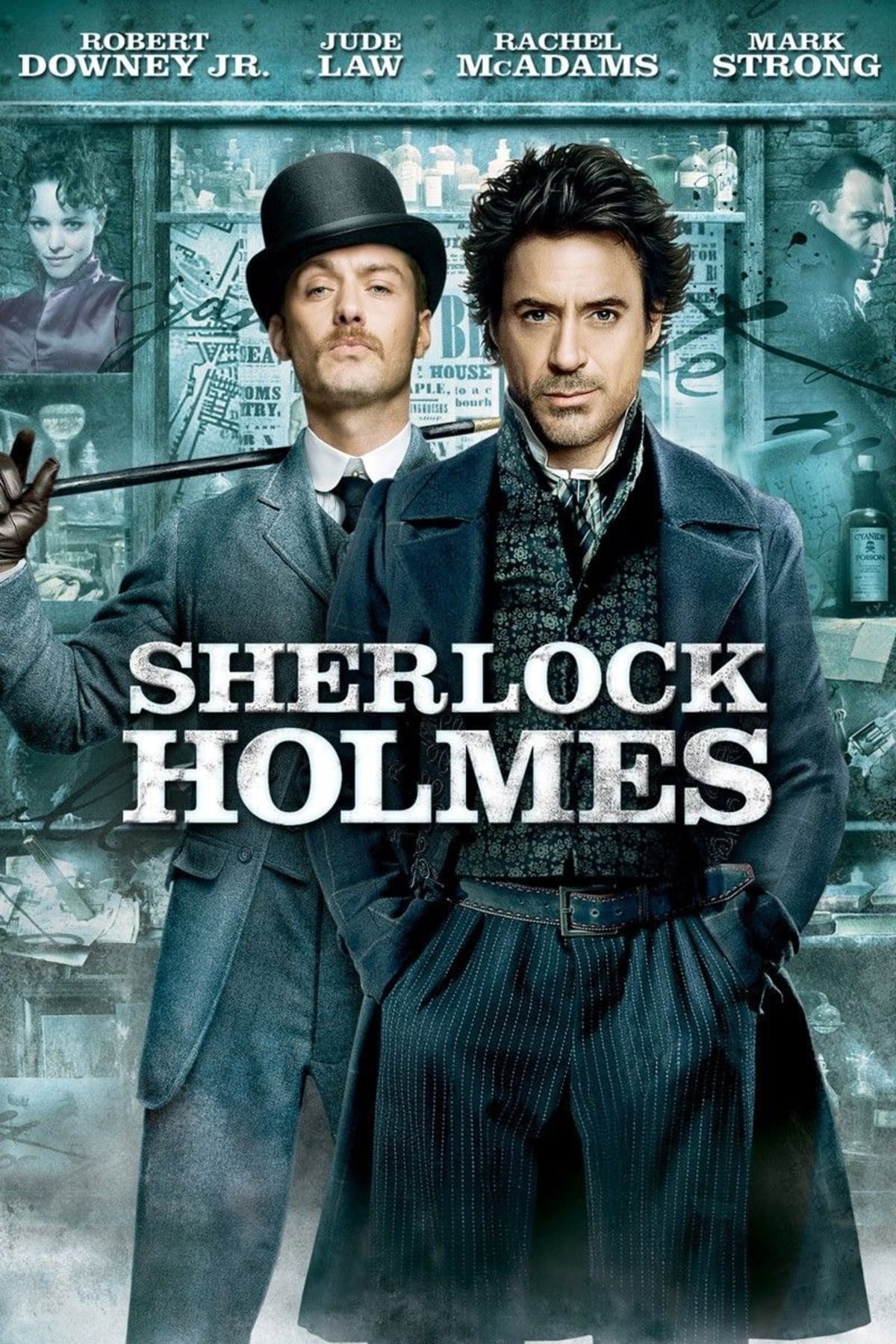
Robert Downey Jr.’s Sherlock Holmes series (directed by Guy Ritchie) is straight-up one of my favorite movies of all time. It has absolutely everything I love: a dark mystery, a high-octane thriller, and most importantly, one of the greatest male-and-male pairings in the history of Hollywood.
There have been multiple adaptations of this legendary duo since Sir Arthur Conan Doyle brought this fictitious world to life through his writings. However, the chemistry between RDJ and Jude Law remains my absolute favorite. And I am not alone in this obsession; there are literally bloggers and film scholars who have written entire essays breaking down the sheer gravity of their relationship.
This specific pair is loved so deeply that millions of fans are still fiercely waiting for a third movie after more than a decade. While rumors circulated that production was finally taking off, Sherlock Holmes 3 has sadly been trapped in development limbo due to chaotic schedules (including RDJ’s massive commitments to the Marvel Cinematic Universe). But even if we never get a trilogy, A Game of Shadows stands perfectly on its own as a masterclass in cinematic partnership. Here is exactly why their bond works so well across three main pillars.
P.S. There are a few (emphasis on the few) spoilers.
The Thriller: High Stakes and Total Co-Dependency
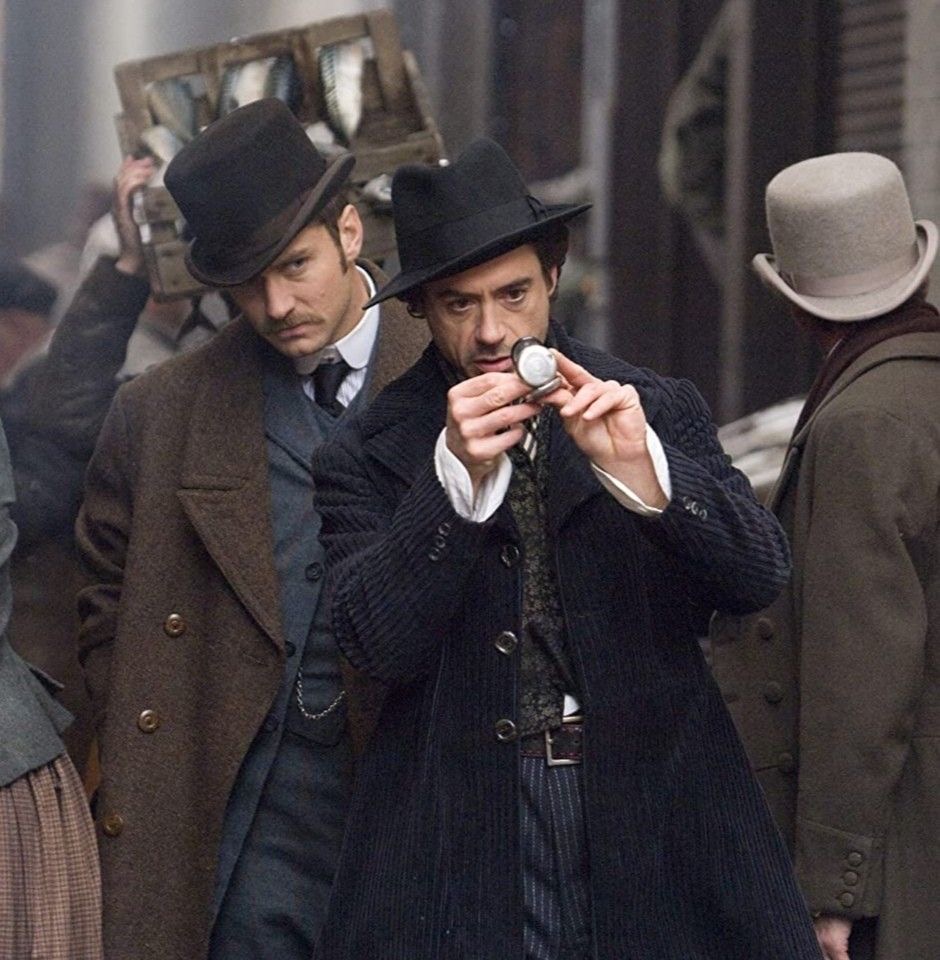
The Core Idea: What elevates this dynamic from a standard friendship into an ultimate bromance is that Watson is Holmes’s anchor to sanity. Without Watson, Holmes completely unravels - eating dust, obsessing over urban camouflage, and losing his mind.
The Execution: A Game of Shadows turns the thriller dial up to an eleven because Professor Moriarty forces them into a corner where they can only survive by relying on each other’s instincts. When Watson uses a cannon to bring down a watchtower just to save a captured Holmes, or when Holmes literally sacrifices his own life at the Reichenbach falls to protect Watson and Mary, it proves their bond is deeper than mere partnership. It is a life-or-death co-dependency.
The Bromance: "Opposites Attract" Taken to the Absolute Limit
The Core Idea: Jude Law’s Watson is a sharply dressed, disciplined, and traditional military man. RDJ’s Holmes is an chaotic, unkempt, anti-social genius. They are fire and ice, yet they fit together perfectly.
The Execution: The film acts as a hilarious, high-stakes battle over Watson trying to leave the "marriage" of their partnership to get legally married to Mary. Holmes treats Watson’s impending wedding like a prison sentence. The narrative peaks in its bromantic brilliance during the train sequence. Holmes literally throws Watson’s new bride off a speeding train into a river—which, yes, was to save her life—but it also hilariously ensures that it's just him and Watson together against the world again. They behave less like standard friends and more like an old, deeply bickering married couple.
The Comedic Undertones: Flirtatious Banter and Chaotic Energy
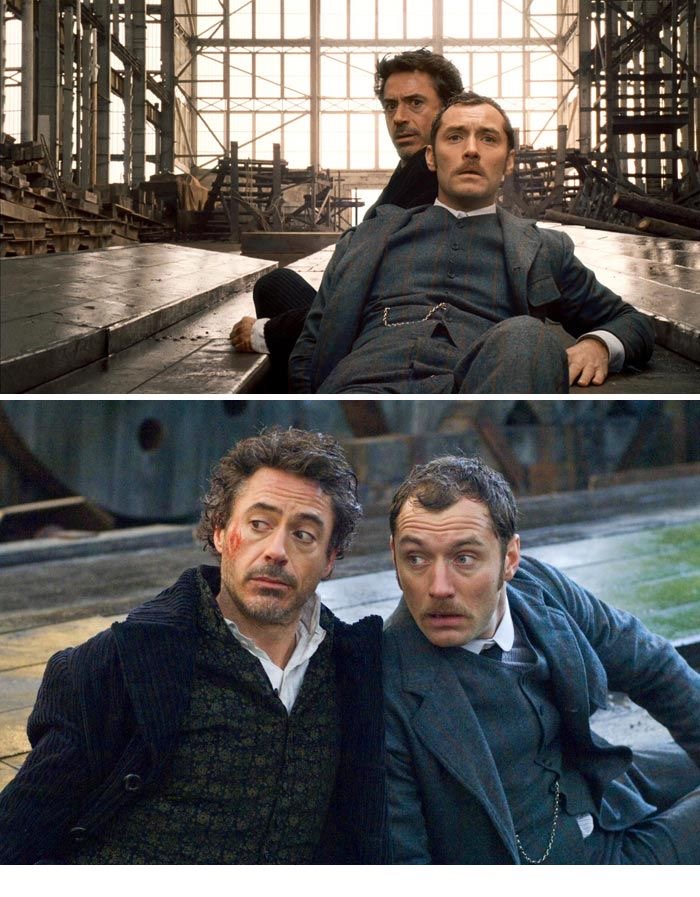
The Core Idea: Director Guy Ritchie leans heavily into the "homosocial" comedy of the pair, making their dialogue snap with rhythmic, almost flirtatious banter that keeps the dark thriller elements from feeling too heavy.
The Execution: The comedy in A Game of Shadows completely obliterates standard boundaries of traditional masculinity. Think about the ridiculousness of Holmes disguised in terrible drag on the train, dodging bullets, and casually telling Watson to "lie down with me". Or the brilliant, unbothered moment in the grand ballroom where Holmes casually sweeps Watson into a waltz to blend into the crowd. The comedy works because the actors are fully committed to the absurdity; they are utterly unbothered by what the rest of the world thinks of them, as long as they are solving the puzzle together.
Closing Thoughts
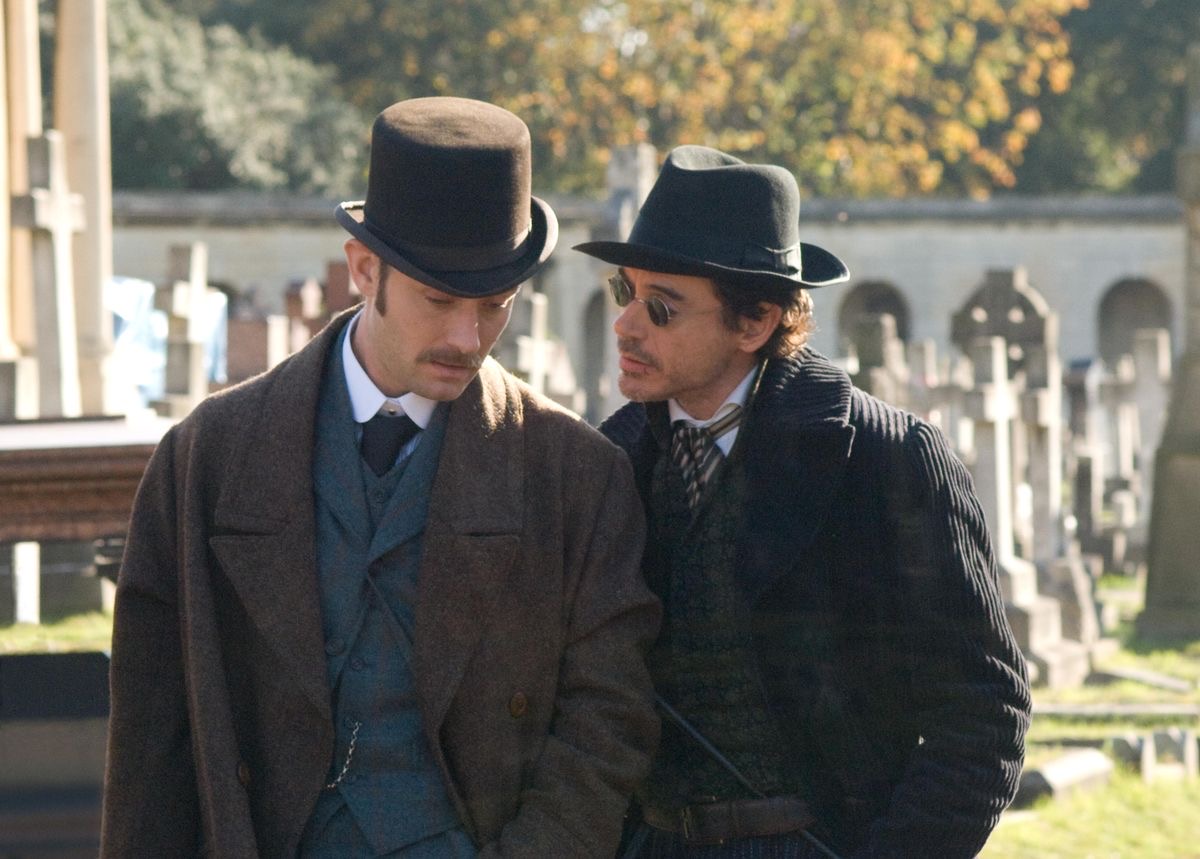
Ultimately, A Game of Shadows succeeds because it understands that Sherlock Holmes is absolutely nothing without John Watson. They are a package deal. It isn't just the thrill of the mystery that keeps us hitting replay fifteen years later; it's the undeniable, chaotic, and fiercely loyal love between two brothers who would pull down a building or jump off a cliff for one another.
References & Further Reading
If you want to dive deeper into the rabbit hole of why this cinematic pairing works so brilliantly, check out these excellent reviews and breakdowns:
[Thoughts On Films] – Bromantically Involved – Sherlock Holmes: A Game of Shadows: A brilliant look at the "homosocial" dynamics of the sequel, breaking down how Watson acts as Holmes's anchor to sanity and how their relationship mirrors an old, bickering marriage.
thoughtsonfilms.com[Ticket Stub This] – RDJ + Holmes: Awesomeness: A fantastic retro review tracking the early days of the franchise, highlighting the sharp comedic squabbles between RDJ and Jude Law, and exploring how RDJ himself leaned into the chaotic, deeply protective nature of their bond.
Enjoying the content?
Support the creator by buying a coffee.
Comments (0)